

20 Relaxing Bath Recipes to Ease Your Stress in 2026
Baths provide a unique opportunity to relieve stress and soothe your body. Bath recipes are designed to promote health benefits
Installing a walk-in tub in your home can make bathing safer and more therapeutic, although, like any other project, it can be a severe undertaking. Today, we will look at walk-in tubs to see if they are an appropriate fit for your home.
A walk-in bathtub is a tub you walk into, eliminating the potential hazards of slipping and falling from climbing in and out of a traditional tub. The tub is designed with more vertical elements, such as the placement of jets and seating ,to ensure you are more secure and comfortable during bathing. Footholds and handlebars make it easy to get in and out of the bathtub, further reducing pressure on your legs since you no longer need to stand while bathing.
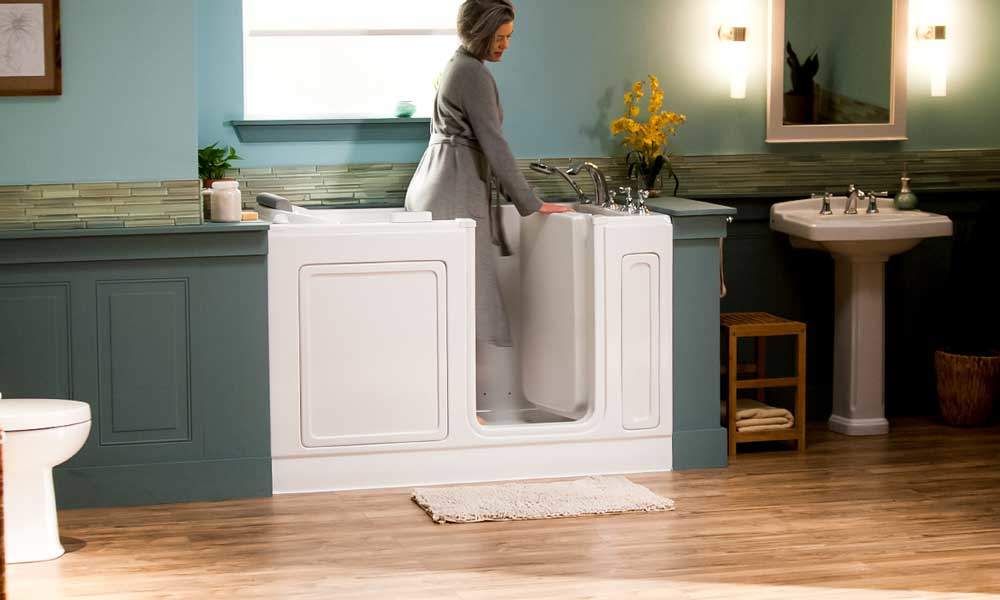
While anyone can enjoy the features of a walk-in tub, the design is engineered specifically for:
A walk-in soaking tub is a tub that is deep enough for your torso and lower body to be fully submerged while seated in a built-in bench. This tub design does not include air or water jets and provides the basic features of a walk-in tub.
An aerotherapy walk-in tub is the same as a walk-in soak, except that air jets produce air bubbles that provide a gentle massage to key areas of the body. The air bubbles provide a therapeutic effect that helps to alleviate muscle aches, spasms, tightness, or pain.
Similar to aeroromatherapy except with water jets instead of air jets that help massage key locations on your body to alleviate muscle pain.
A bariatric walk-in tub is designed to accommodate individuals up to 300 pounds, with a total capacity of 600 pounds. This design features a wider door and a larger seat to support the additional weight.
Wheelchair-accessible tubs are designed with wheelchairs in mind, providing a wider door, a lower threshold, and a chair-height seat adjacent to the door, reducing fall risk as the user transfers to the seat.
Your walk-in bathtub should feel safe regardless if you are entering or exiting it. Here are the additional features to look for:
A standard bathtub has a maximum depth of 13-14 inches, whereas walk-in bathtubs can have a depth of 40-48 inches. Seats are placed 17 inches above the water, leaving nearly 20 inches of depth to immerse yourself in the water. The added depth allows for more heating options, especially with the seat.
The primary focus of these bathtubs is to lessen the dangers of falling in the bathtub, especially for individuals over the age of 65. This is accomplished by including built-in handrails, anti-slip flooring, steps, and contoured seating. All this, combined with a lower entry height, means reducing the risk of potential injury.
Whereas many bathtubs on the market offer only a handful of features, walk-in bathtubs offer a plethora of additional features, such as add-on handrails, anti-scald valves (highly recommended), built-in seating, and non-slip flooring, all in one package. Although it may seem hefty at first, a walk-in bathtub is a great deal more affordable than purchasing all of these features separately and trying to add them to an existing bathtub.
Because this bathtub immerses you to chest height, it’s quite similar to a hot tub. Warm water has numerous health benefits for aches and pains and can even ease the pain of burns or ulcers. Many walk-in bathtubs are fitted with jets that provide hydrotherapy, which can help massage and relax the body further, promoting better long-term muscle health.
The primary negative of walk-in bathtubs is that there is no active way to control the water temperature. This means that it can take several minutes to adjust the temperature from scalding to normal. This is why an anti-scalding valve is essential to prevent unfortunate accidents.
Another negative is that walk-in bathtubs can take up to 15 minutes to drain due to the small area through which water drains. Even with some higher-end models that have more accelerated drain functionality, the process can still take around 8 minutes, leaving someone exposed to the cold as the bathtub fully drains before they can exit. This also creates a small risk of flooding, as this bathtub typically fills above the door height, increasing the possibility of spilling excess water if not careful.
Walk-in bathtubs offer a multitude of great features, but they come at a hefty price. Most are typically very large, meaning that your installation costs are typically going to be quite high. In addition, many of these bathtubs already have a relatively high price tag between $1,000-5,000 not including installation. Depending on the size and complexity of your installation, you can easily exceed $10,000 for a bathtub installation if you’re not careful.
Certain comfort amenities that are not found in a regular tub or shower are accessible in a walk-in tub. A wider seat, hand shower, rails, and whirlpool jets make for a more pleasant bathing experience than in a standard bathtub.
Being able to easily enter and exit the tub independently is a pleasure that cannot be achieved with a shower or a conventional bath on its own.
Adding a walk-in tub to your bathroom allows you or a loved one to bathe worry-free, elevating your bathing routine and allowing for maximum relaxation. However, getting a walk-in tub isn’t just for that; they’re also excellent for anyone looking for a relaxing, spa-like experience at home.

On low end, you can expect to pay $1,000 for a walk-in tub with basic features such as handrails and anti-slip flooring. Amenities such as heated seats, anti-scald valves, and hydrotherapy jets will raise your price between $3,000-5,000. The overall size of the tub will also influence your final price point. Of course, you can always purchase the low-end tub and install the amenities yourself to save money.
Standard space for a bathtub is 60 inches long and 32 inches wide. The smallest size for a walk-in bathtub is around 36 inches long and 32 inches wide, with the larger sizes going to 60 inches long, 32 inches wide. Of course, there are plenty of bathtubs on market that can go to 72 inches, but most usually fit this spectrum unless custom-built. The water depth for a walk-in bathtub should be between 3 and 4 feet. Your particular needs and the design of your bathroom will determine the optimal size for your walk-in bathtub.
| Tub type | Dimensions |
| Small-sized walk-in tub | 36″ x 32″ |
| Large-sized walk-in tub | 60″ x 32″ |
| Standard-sized walk-in tub | 60″ x 32″ |
Material wise, walk-in bathtubs are a bit limited due to their more restrictive design, their materials are as follows:
A shower bathtub combo is a flexible design: you can add a shower attachment to any existing bathtub, and with curtains or doors, you have a shower bathtub combination, giving you more flexibility in your bathing. Of the two, the shower, bathtub combination is easily more flexible in both price point and function as it gives the option for quick showers or long baths all in one more digestible price point, as many of these can be put together for under $500. For many, a shower bathtub combination is going to be the more practical choice as the negatives of a walk-in bathtub are time and flexibility.
However, it should be noted that the purpose of the walk-in tub cannot be replicated with a shower-bathtub combo. For elderly or disabled individuals, it is a must, but for the average home, it is not recommended.
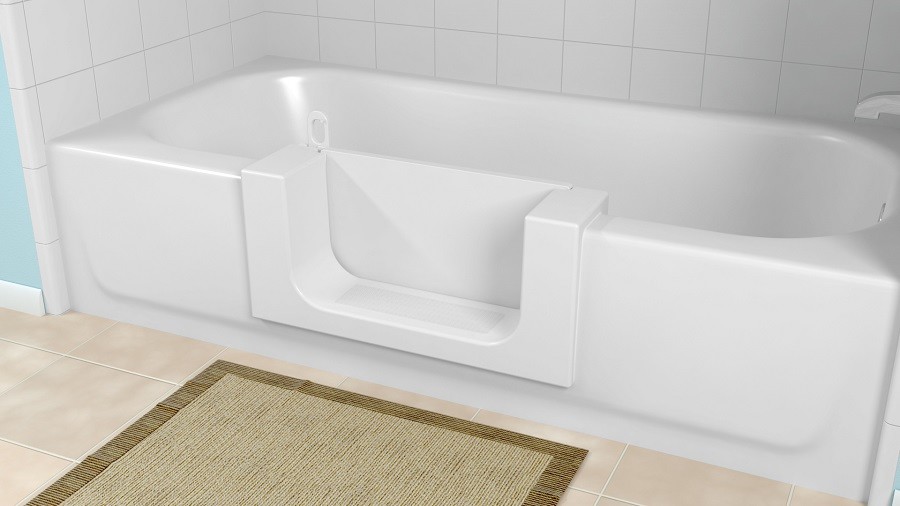
With proper maintenance, a walk-in bathtub should last anywhere from 10-15 years, depending on the material used. Polypropylene or gelcoat, will last roughly 10 years before breaking down. Fiberglass will typically last around 15 years at the max, whereas acrylic will have a much longer shelf life, floating between 25-30 years easily. The difference between walk-in bathtubs and other bathtubs is that not all of the surface area is used during bathing, which can lead to build-up and erosion in areas that are not immediately visible to you. Be mindful of this moving forward, as these bathtubs are not cheap.

Given their price point, a common question is whether a walk-in tub is covered by Medicare or similar insurance, and whether they are tax-deductible.
Since walk in bathtubs can be used by nearly anyone, they are unfortunately not covered by Medicare as they are not considered to be ‘durable medical equipment’, unlike hospital beds, nebulizers, catheters,s and wheelchairs. So if you want a walk-in bathtub in your home, you need to pay for it through your own means. They can be tax-deductible however, if you purchased your walk-in bathtub with the intent of medical safety, you can most certainly claim it as a medical expense.

Eric is the founder and president of Badeloft USA. He has been the president of Badeloft’s US division for over ten years and oversees all marketing and branding aspects of Badeloftusa.com.
His expertise lies in small business development, sales, and home and bathroom industry trends and information.
Contact us with any business related inquiries.
Free material samples and tub templates
Baths provide a unique opportunity to relieve stress and soothe your body. Bath recipes are designed to promote health benefits
Florida homeowners considering a bathroom remodel in 2025 face a unique mix of climate considerations, building codes and regional price
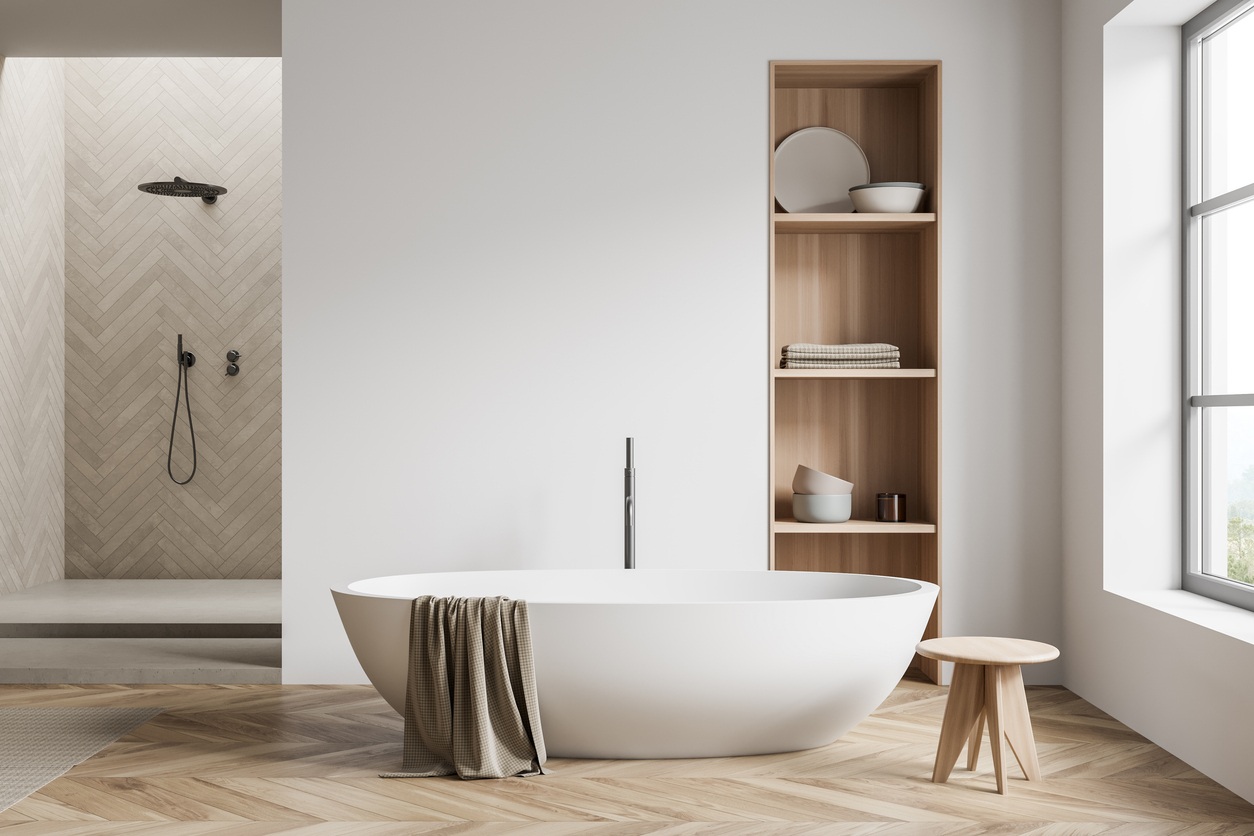
Remodeling a bathroom in New York can transform an outdated space into a modern retreat while adding value to your
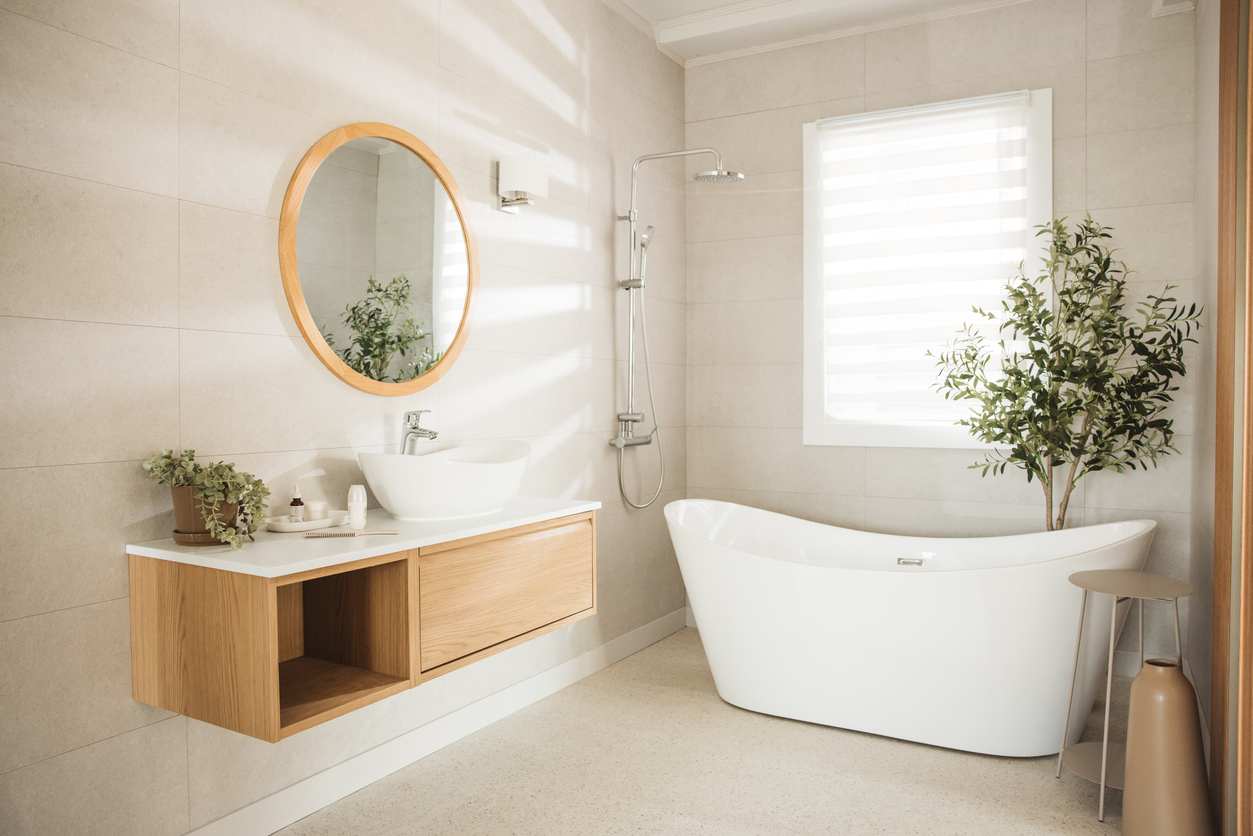
Bathroom remodel costs in California continue to rise in 2025 due to elevated labor rates, increased material demand, and strict
"*" indicates required fields
"*" indicates required fields
Request your free material sample below. By submitting, you agree to receive occasional product updates and offers from Badeloft. Unsubscribe anytime.
"*" indicates required fields